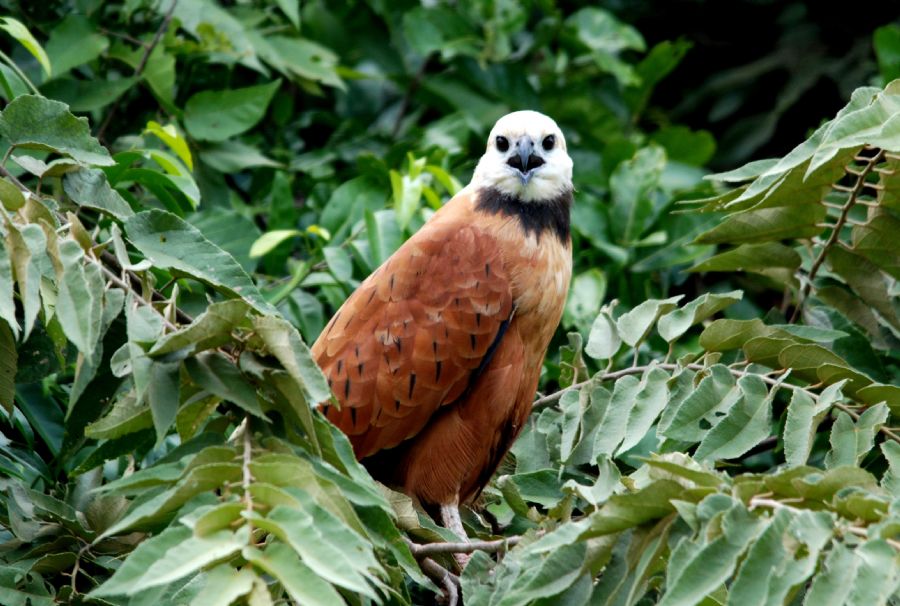
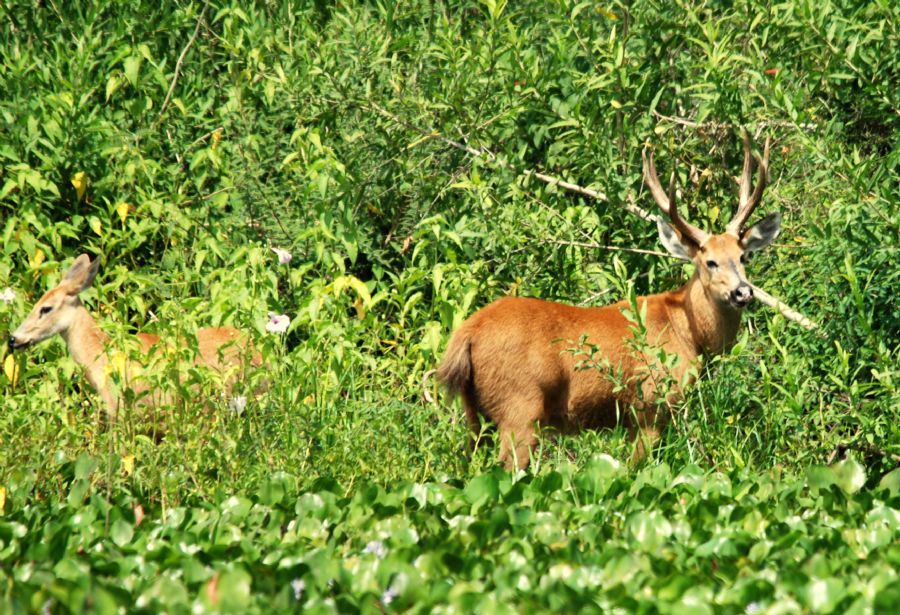
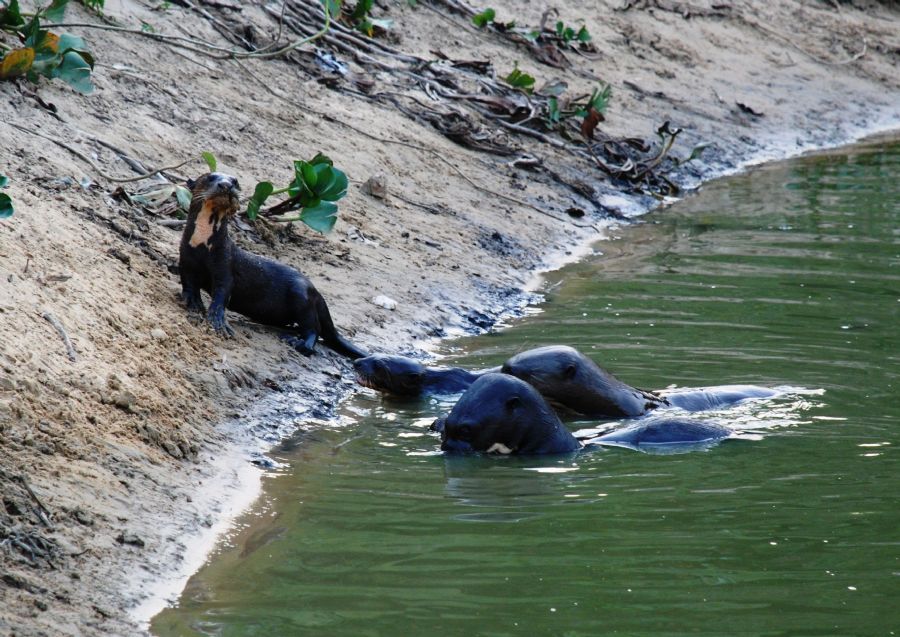
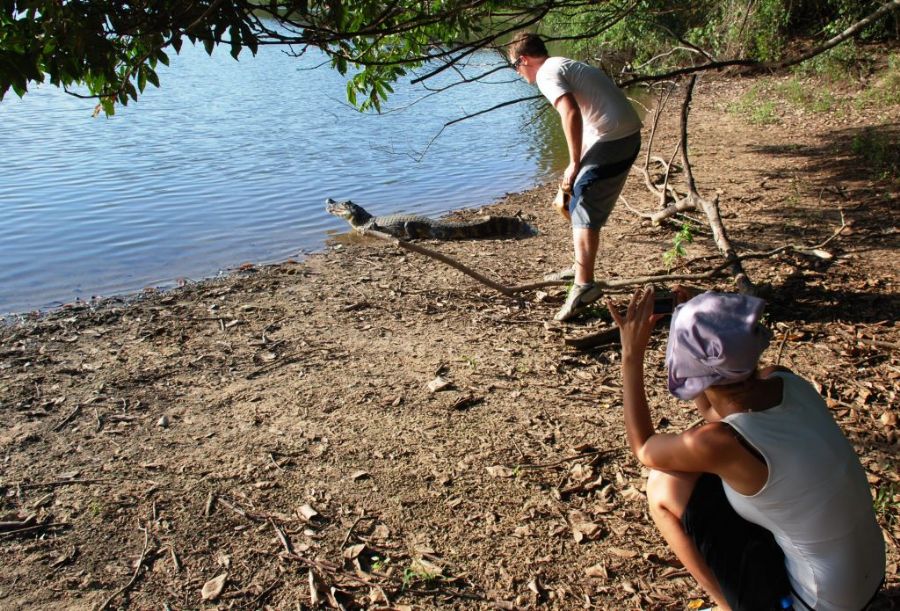
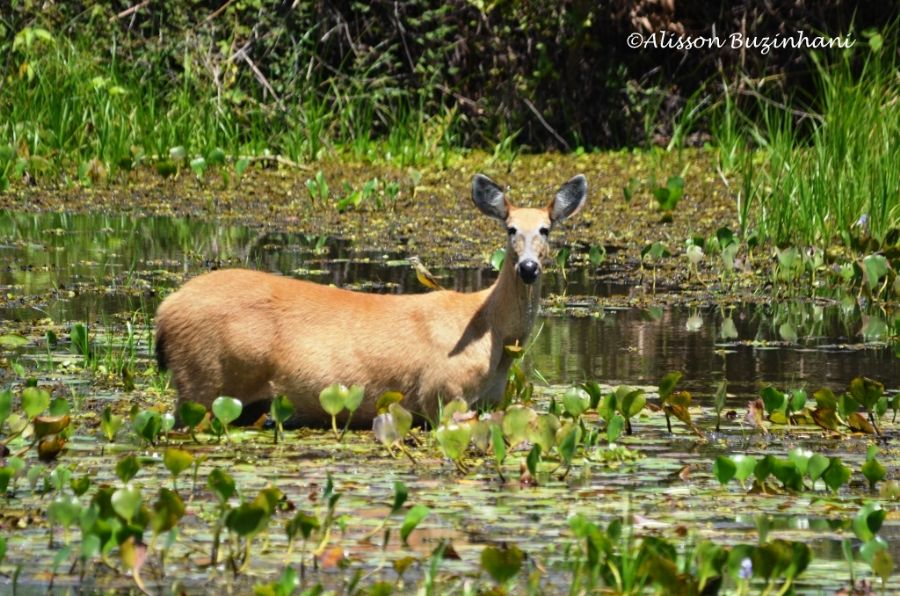
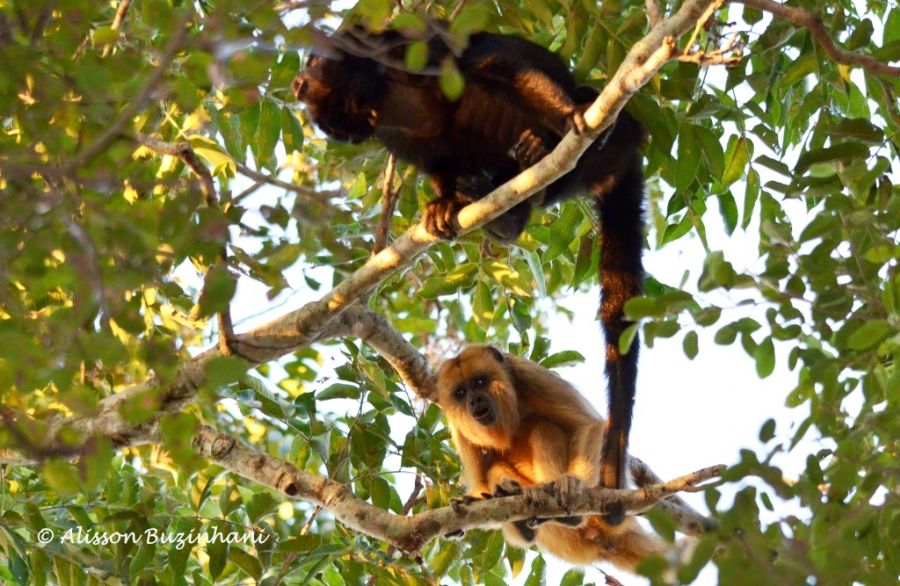
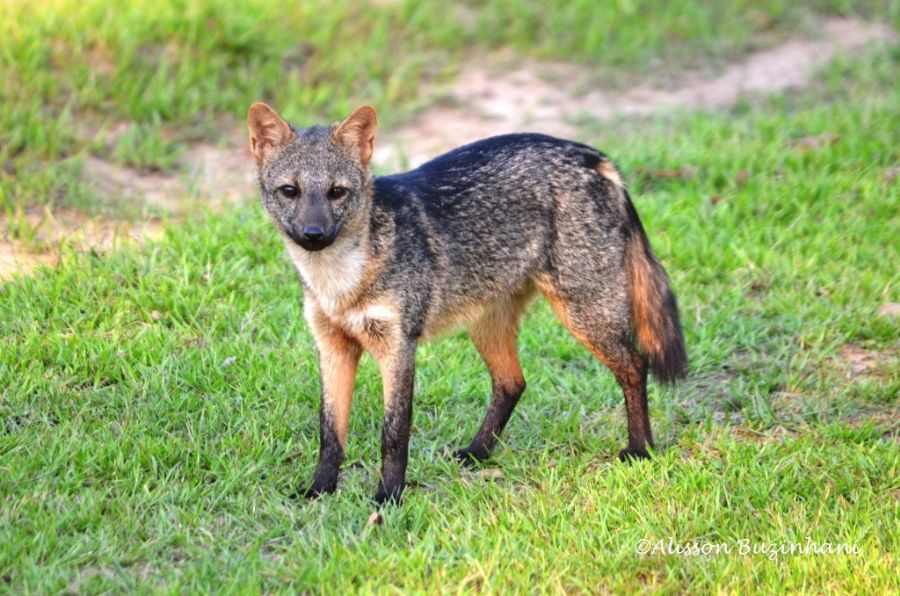
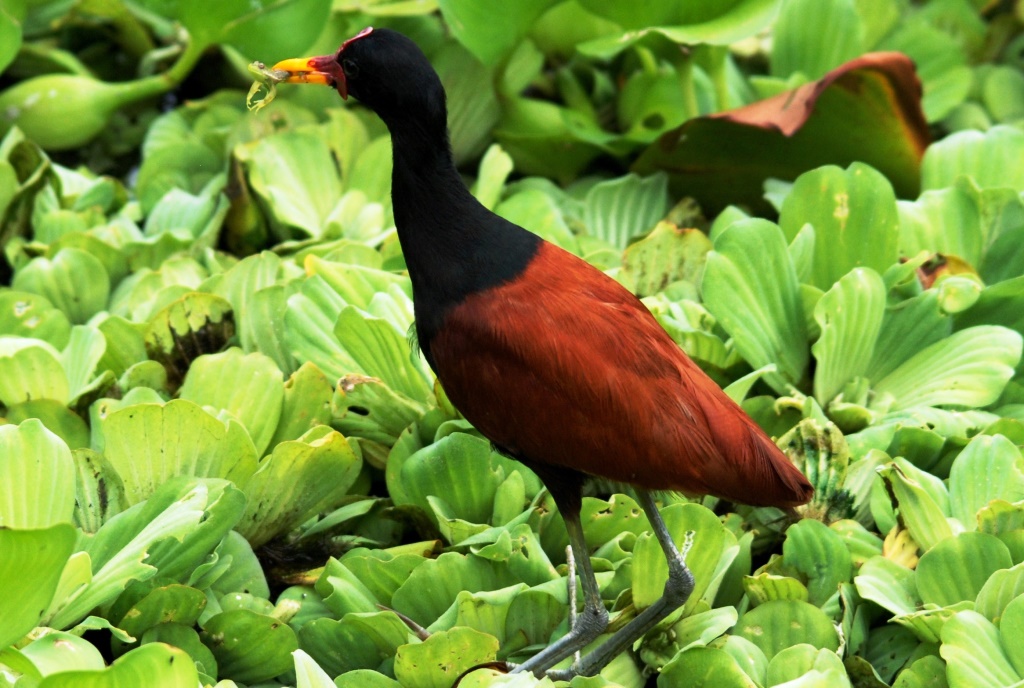
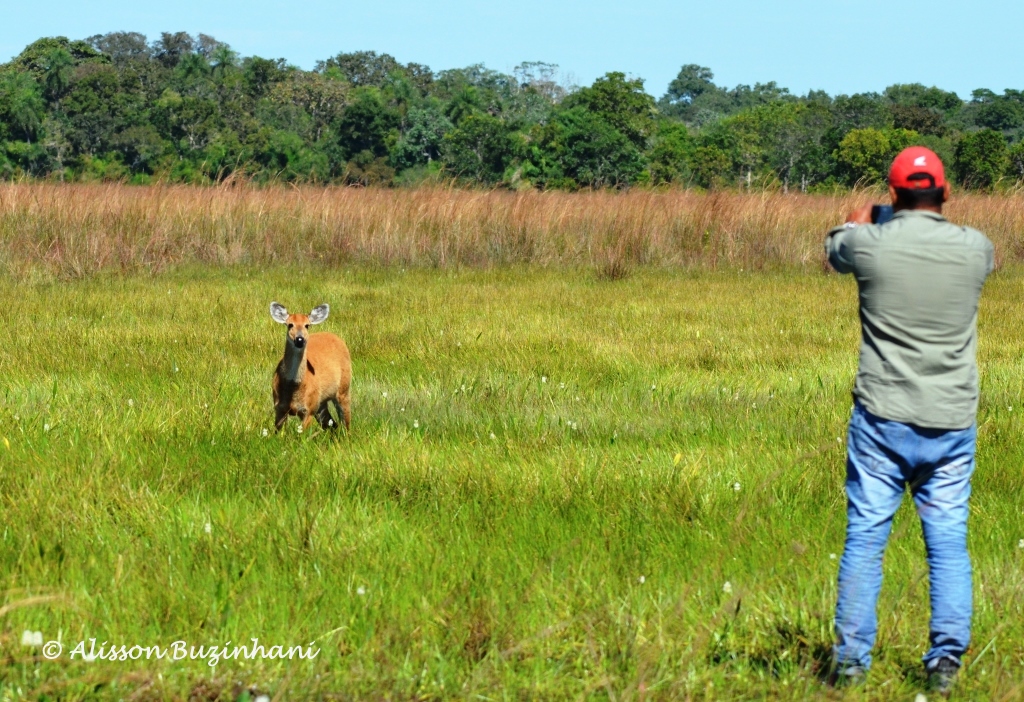
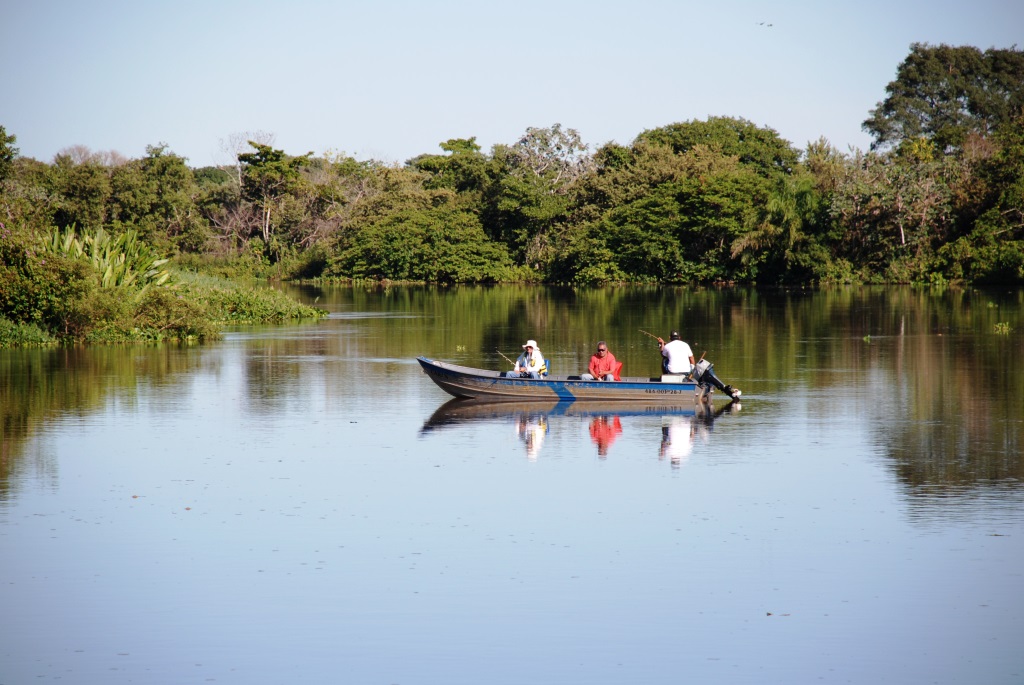
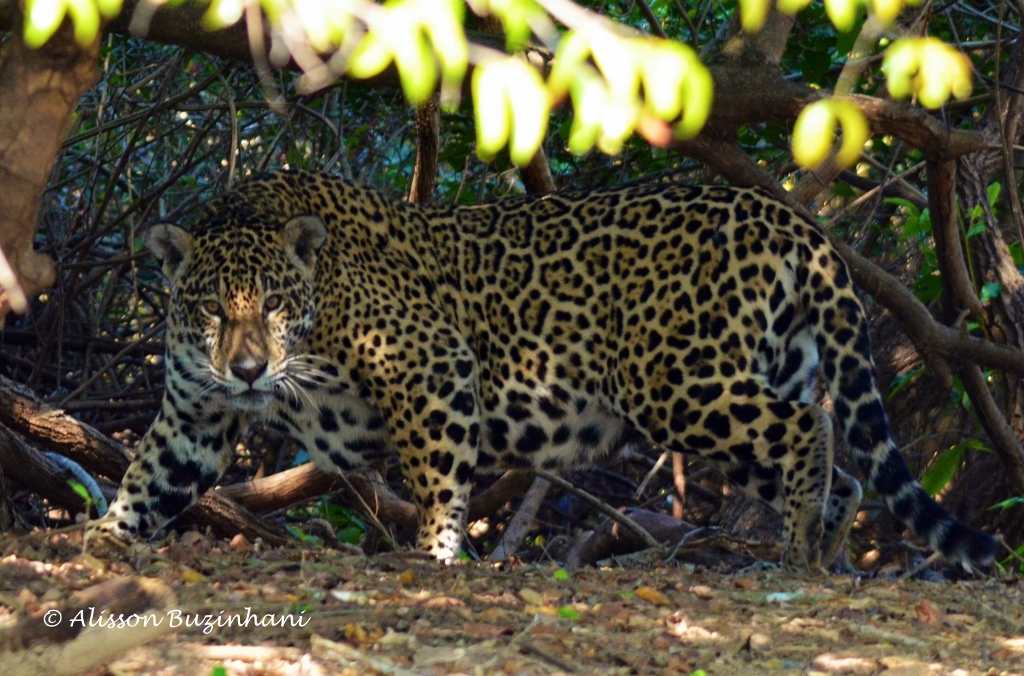
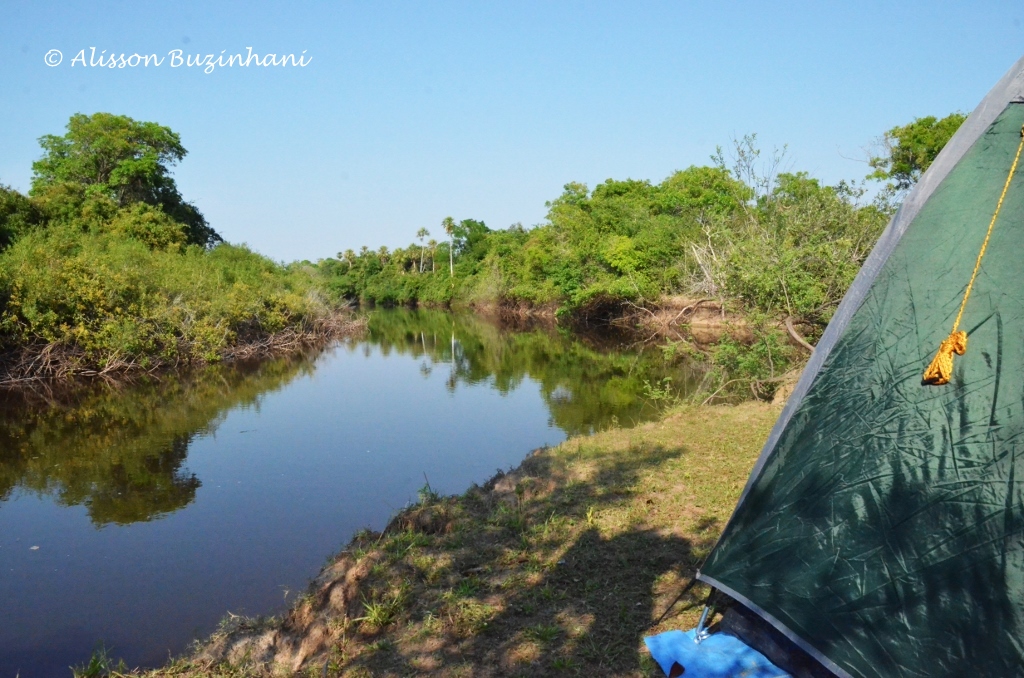
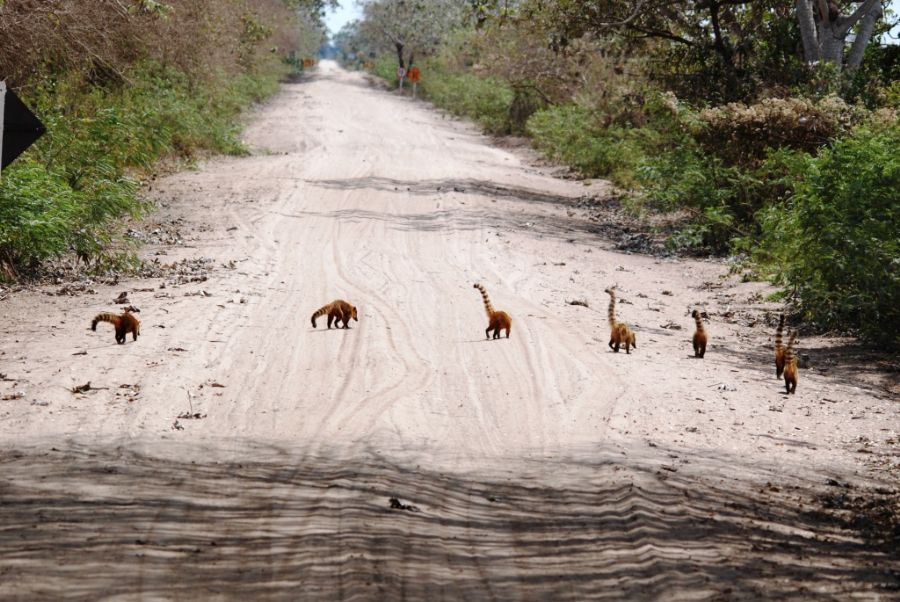
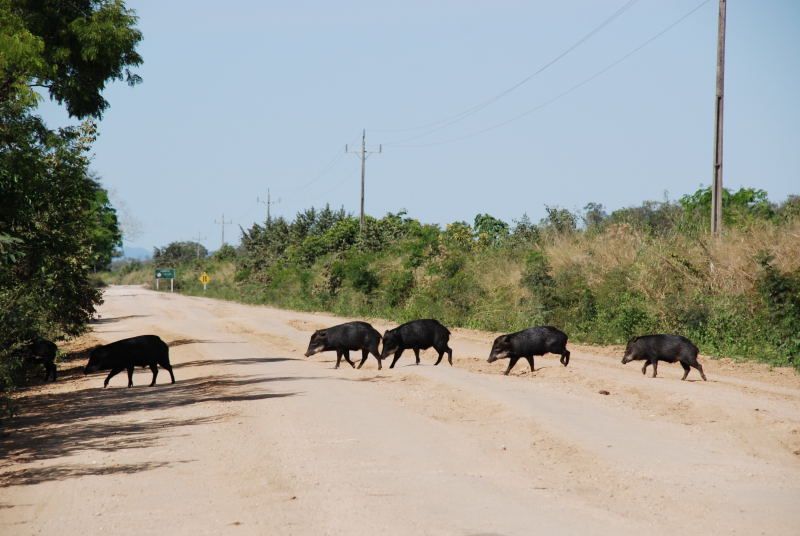
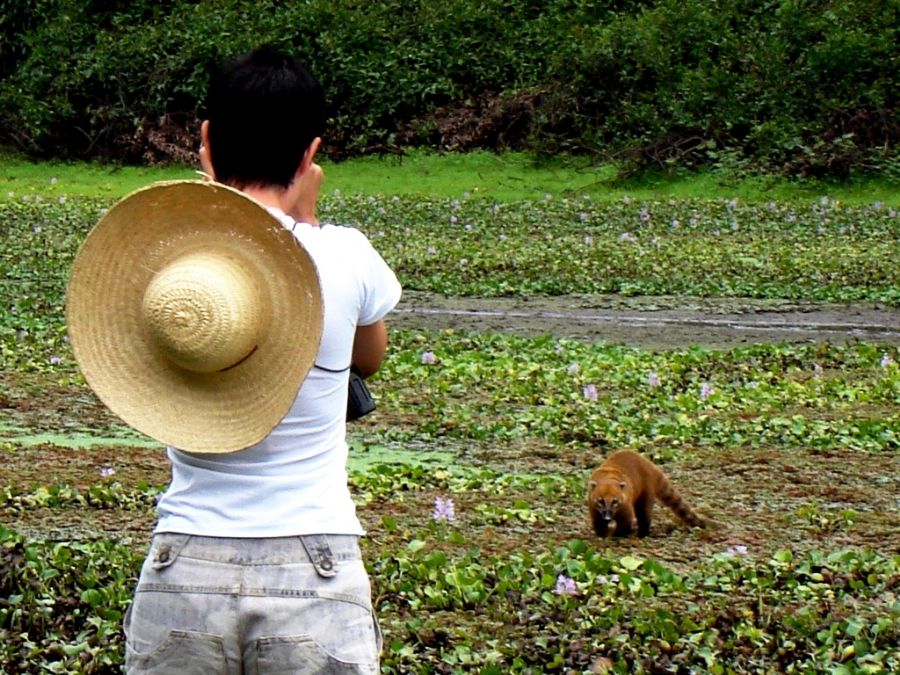
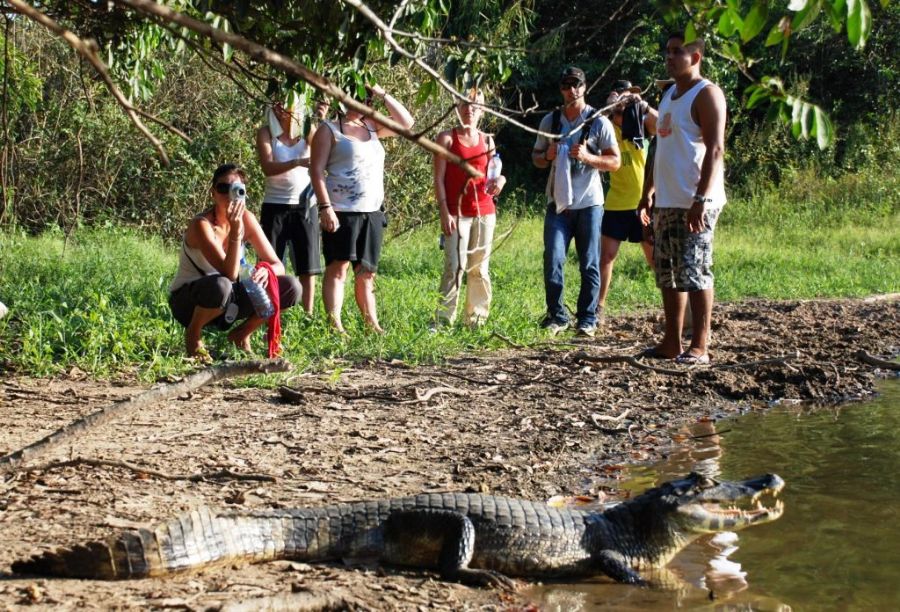
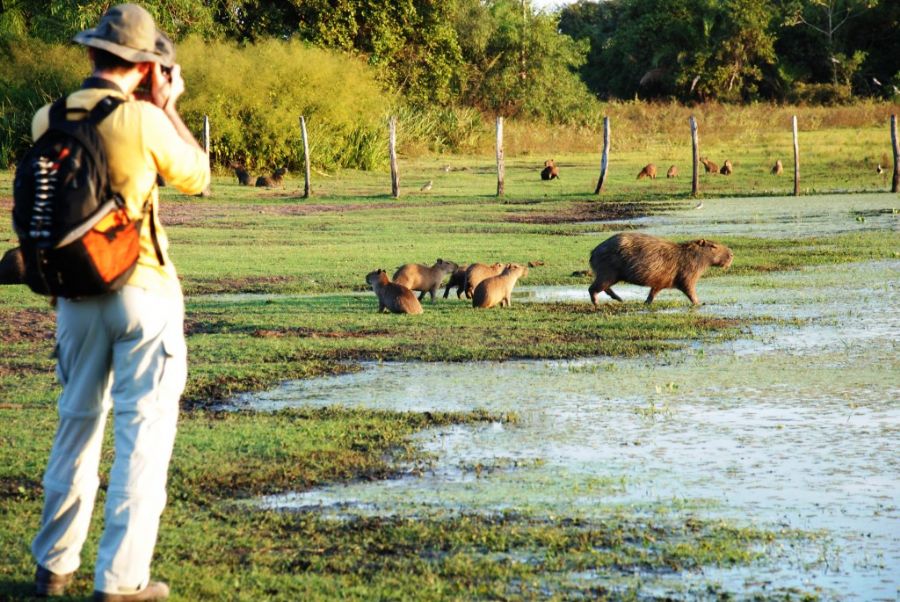
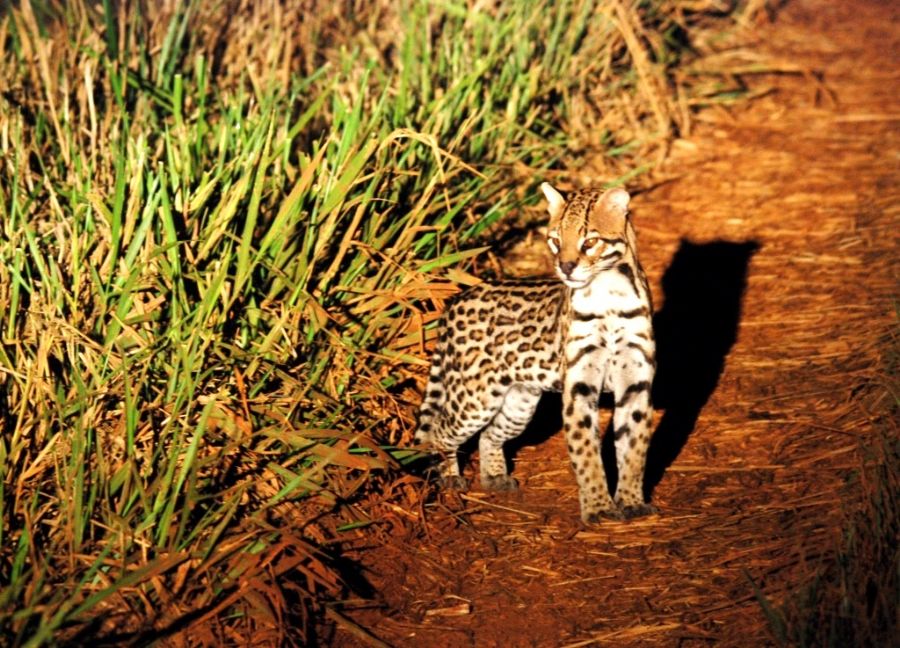
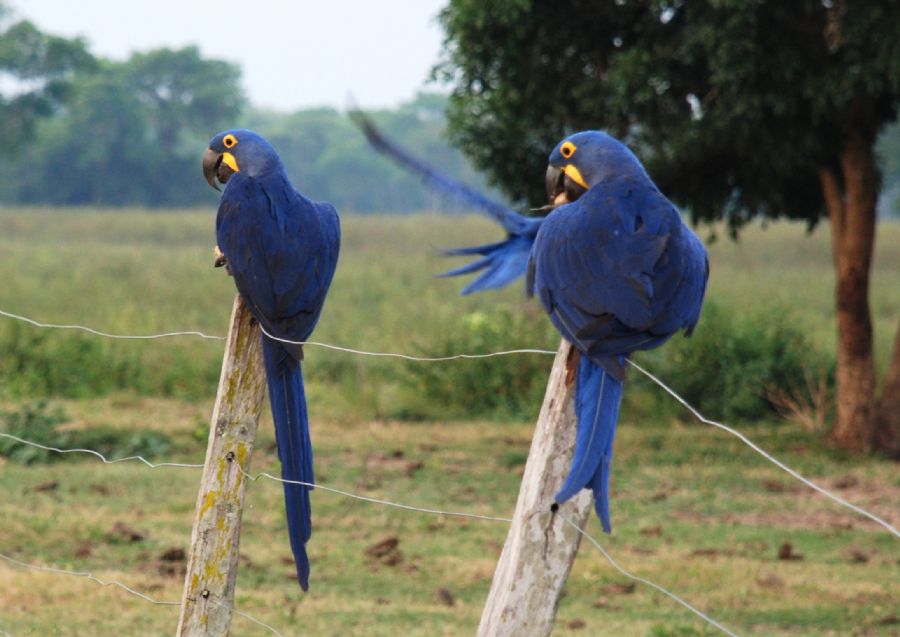
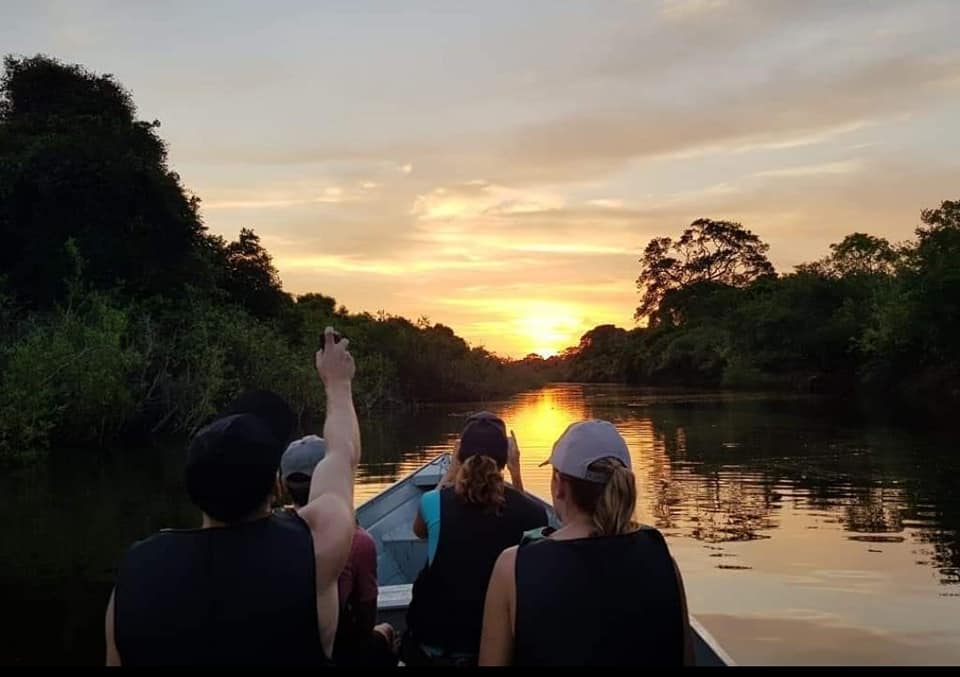
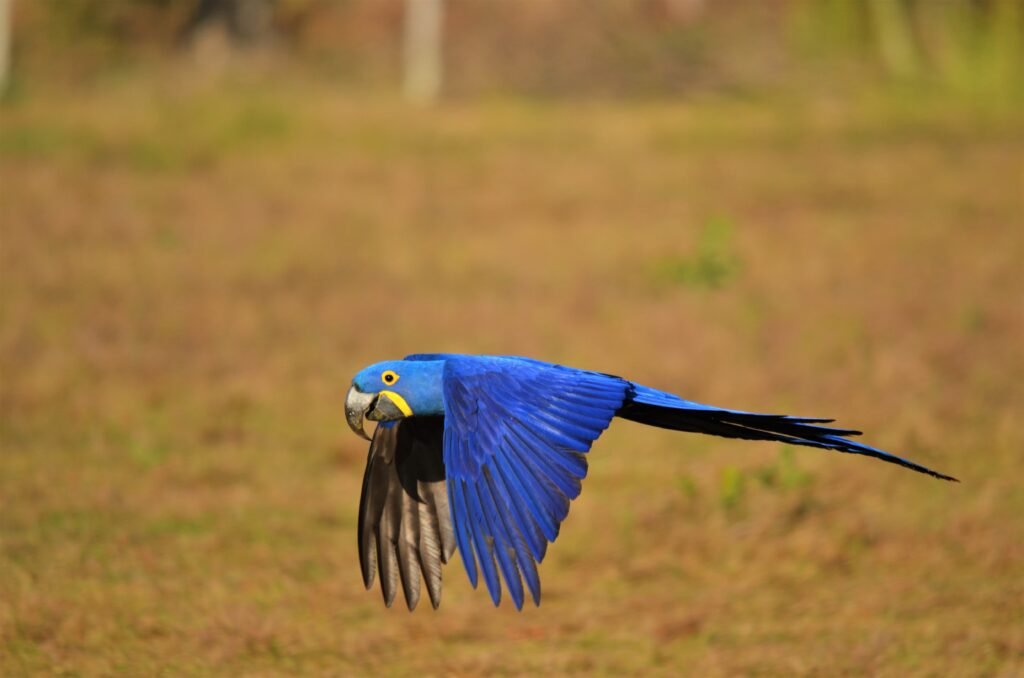
While the Amazon holds the fame, the Pantanal holds the wildlife. As the world’s largest continuous wetland, it offers the highest concentration of fauna in the New World. Unlike the dense foliage of the rainforest, the Pantanal’s open savannas provide an unobstructed view of nature’s most spectacular scenes. Here, wildlife isn’t just present; it is visible to even the most casual observer.
With over 242 fish species, 650 bird species, 110 mammals, and 50 reptiles, the Pantanal is a biodiversity hotspot. Recognized by UNESCO as a Biosphere Reserve, it stands as one of the richest and most diversified natural sanctuaries on Earth.
A Living Mosaic of Landscapes
Spanning 230,000 square kilometers across Brazil, Paraguay, and Bolivia, the heart of this paradise lies in Brazil. 65% of this territory is located in Mato Grosso do Sul (Southern Pantanal), with the remaining 35% in Mato Grosso.
The Pantanal is a unique mosaic where the Amazon, Cerrado, Chaco, and Caatinga meet. This creates four distinct environments:
Lush Grasslands: Open vistas perfect for spotting large mammals.
Gallery Forests: Dense woods lining the riverbanks.
Monotypic Formations: Unique landscapes like the Carandazal (palm groves) and Paradutal (vibrant yellow Ipê forests).
Cordilheiras & Capões: Higher, wooded ground that serves as a refuge for wildlife during the floods.
The Rhythm of the Waters
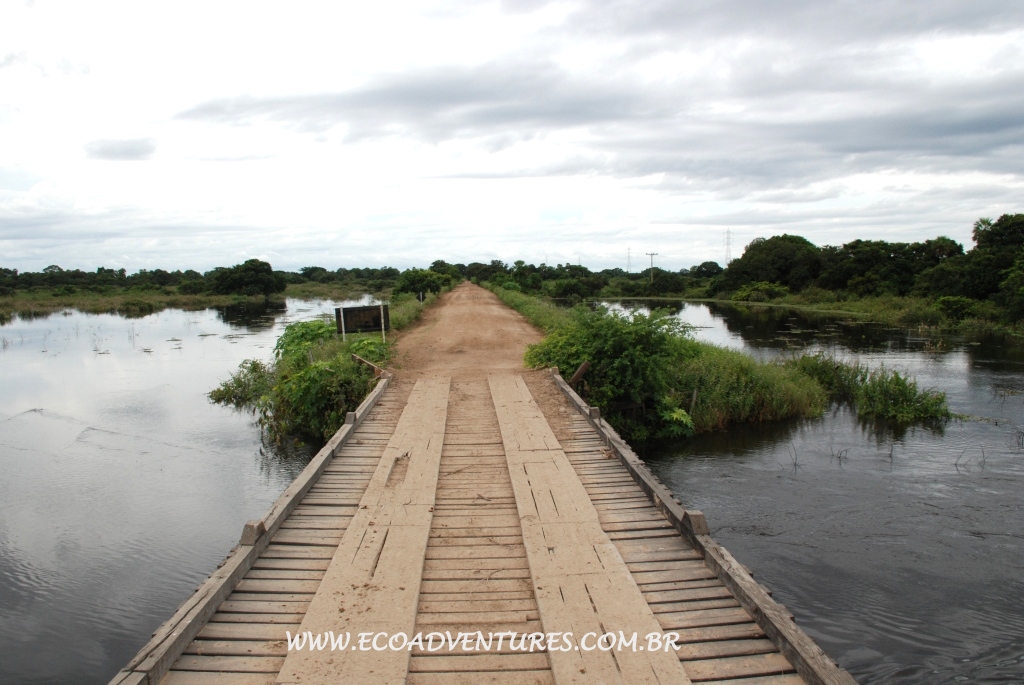
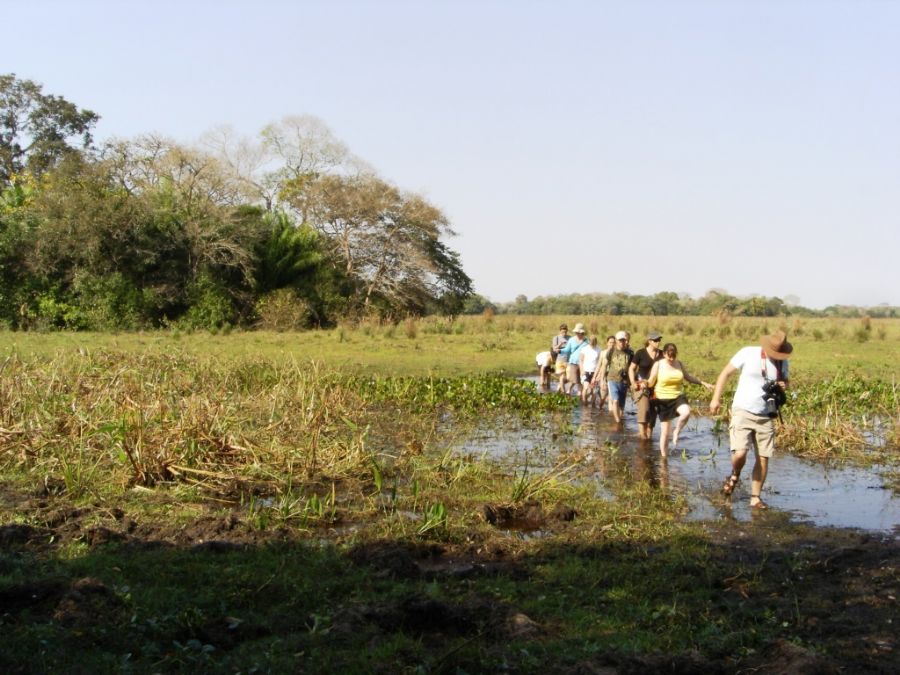
The Pantanal is governed by the flood cycle. From November to February, the rains begin, reaching their peak between May and July, when the plain transforms into a vast freshwater sea. As the waters recede from August to November, the dry season reveals the best opportunities for spotting Jaguars and other predators congregating near the remaining water sources.
Culture, Heritage, and Conservation
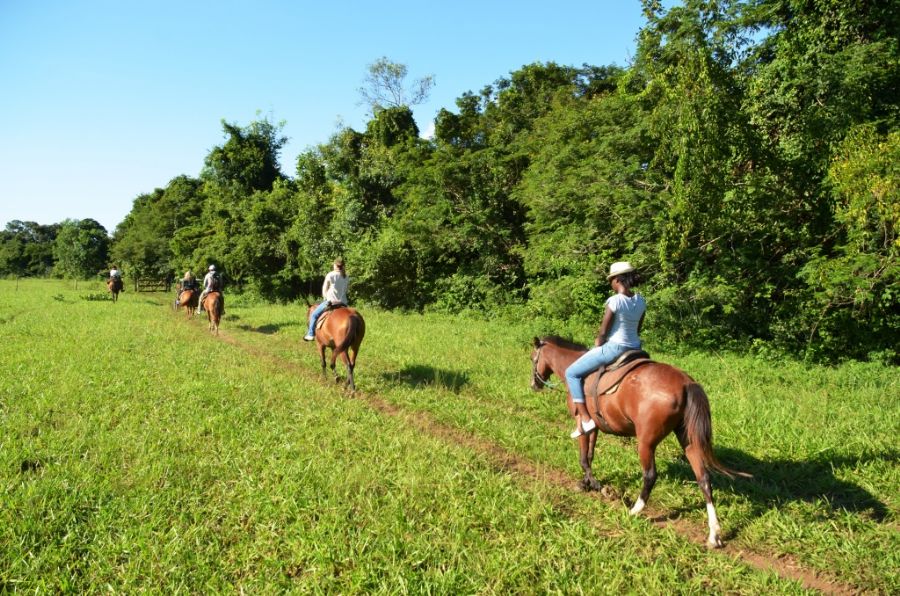
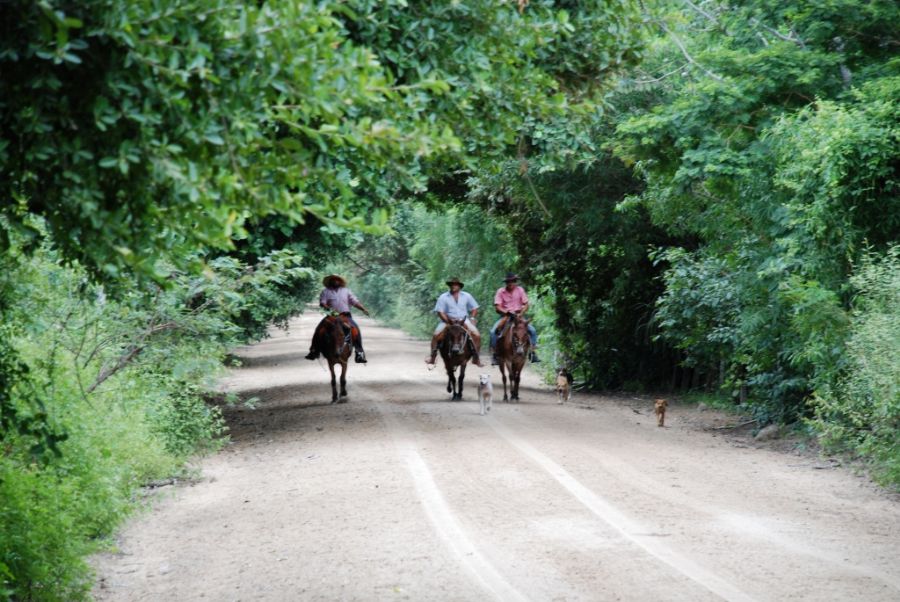
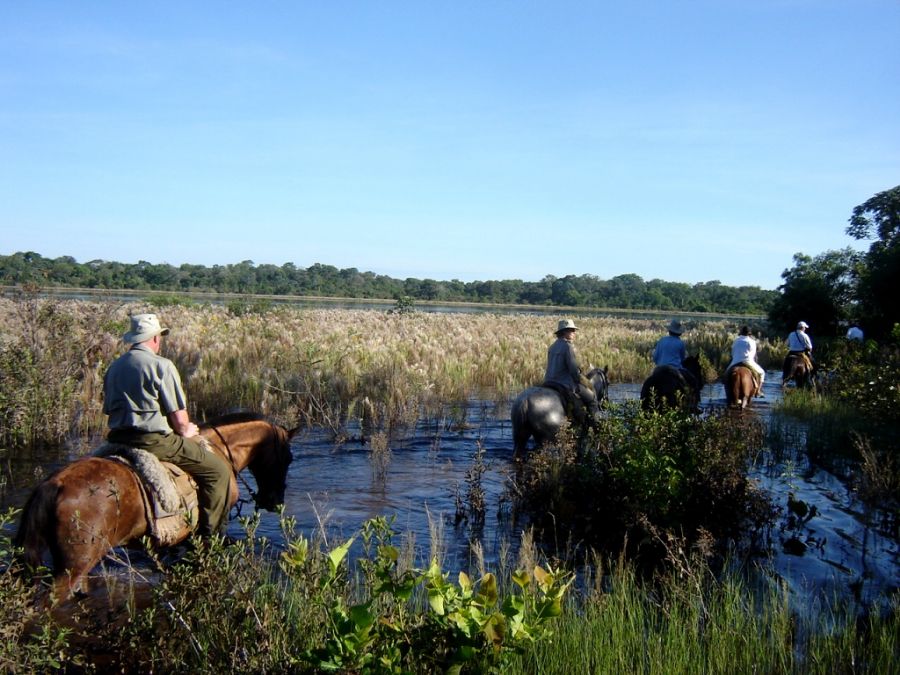
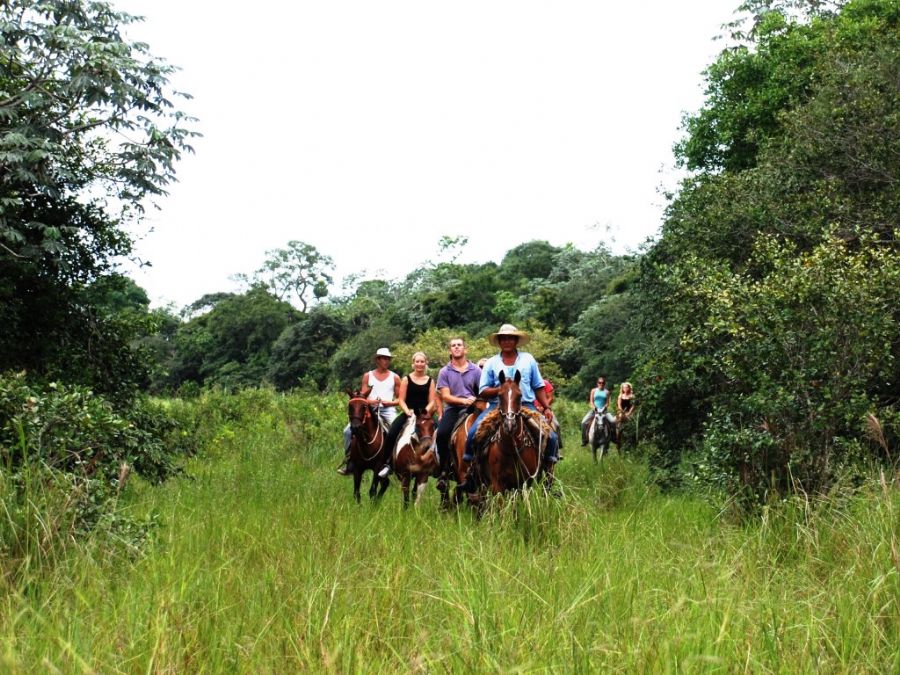
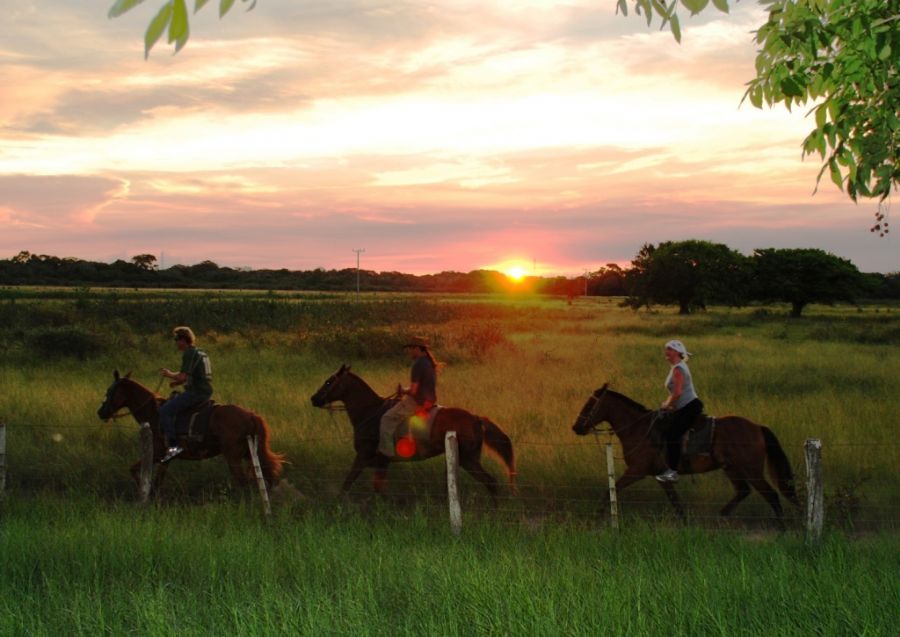
For over 200 years, extensive beef ranching has been the soul of the Pantanal. This harmonious coexistence created the Pantaneiro Horse—a sturdy, water-adapted breed essential for local life. Today, these traditional ranches are evolving, opening their doors to ecotourism and offering travelers a rare glimpse into a culture that lives in balance with the wild.
The Eco Adventures Difference: 20 Years of Expertise
We don’t just organize tours; we lead expeditions. Our director, Alisson Buzinhani, was raised in the heart of the Pantanal and possesses an intimate knowledge of the Southern region’s hidden corners.
Why choose us?
Personalized Expeditions: Alisson has crafted a unique Wild Camping itinerary where you explore a different location every night, maximizing your chances of rare wildlife encounters.
Expert Guidance: We choose our routes based on real-time flood conditions and animal movements.
Authentic Immersion: With us, your trip is more than a safari; it’s a deep, raw nature experience.
Plan Your Journey
Access: Whether you arrive from Campo Grande, Bonito, or Corumbá, we organize seamless logistics via 4×4 vehicles, regular transfers, or private planes.
Best Time to Visit: While May to November is traditionally the best window, the Pantanal’s beauty is year-round.
Pro Tip: Always check with us for current environmental conditions before booking. Don’t forget your insect repellent, sunscreen, and a spirit for adventure!
Tour Packages
Pantanal Budget Tour – 4 days
Are you looking for wildlife tour in the Pantanal with a good price? Take a look in our Pantanal Budget Tour, it include transportation, accommodation, food, nature activities and local English speaking guide.
The Aguapé Lodge is surrounded by the lush riverside forests of the Aquidauana River, allowing guests to experience up-close the natural beauty of the Pantanal region and the way of life on a typical Pantanal ranch.
The Santa Clara Lodge & Camp exists for over thirty years and is a pioneer in ecotourism in the Pantanal Park Road, Southern Pantanal. There are approximately 1700 hectares of pure nature for tours.