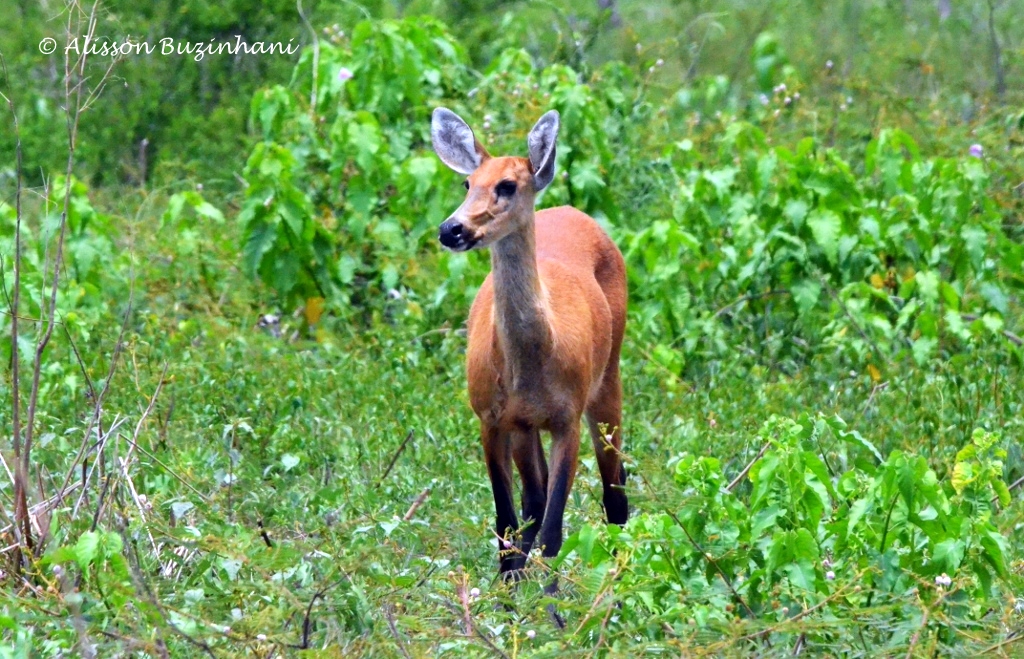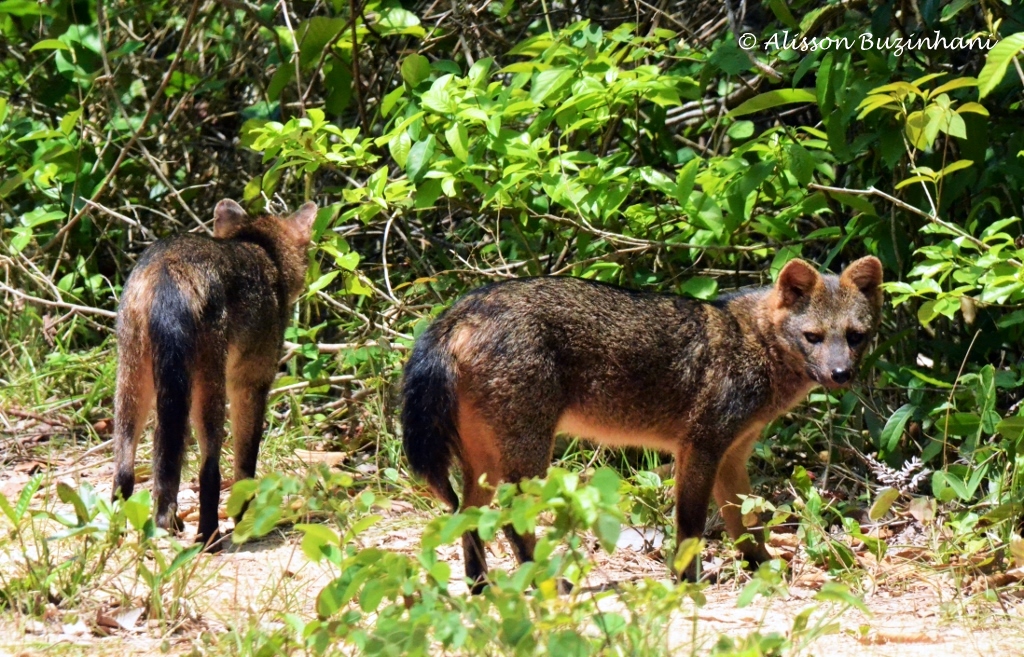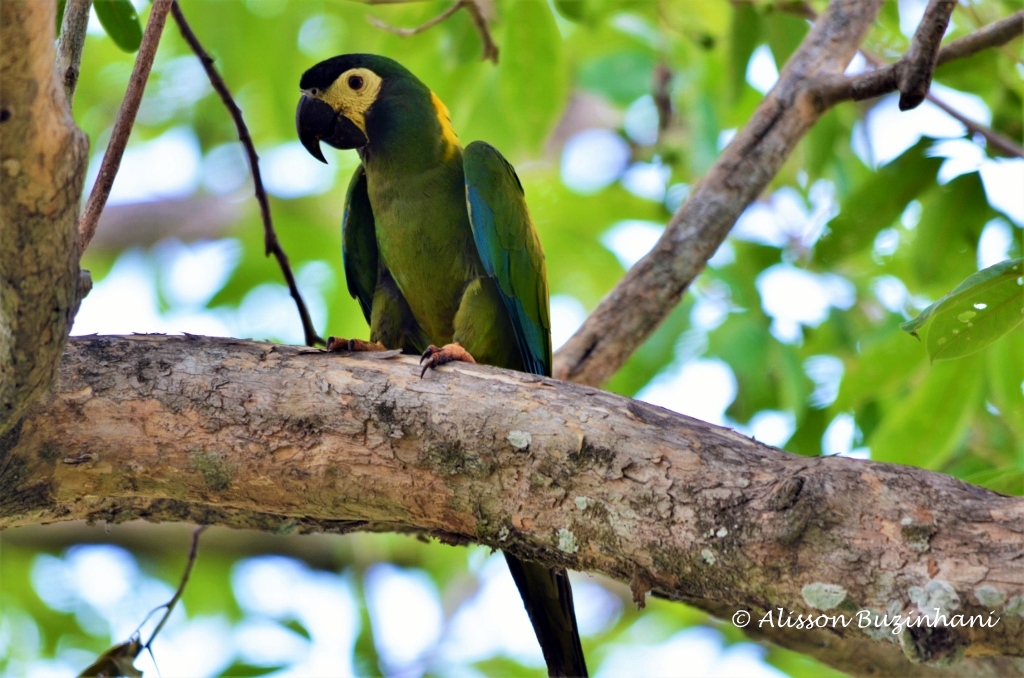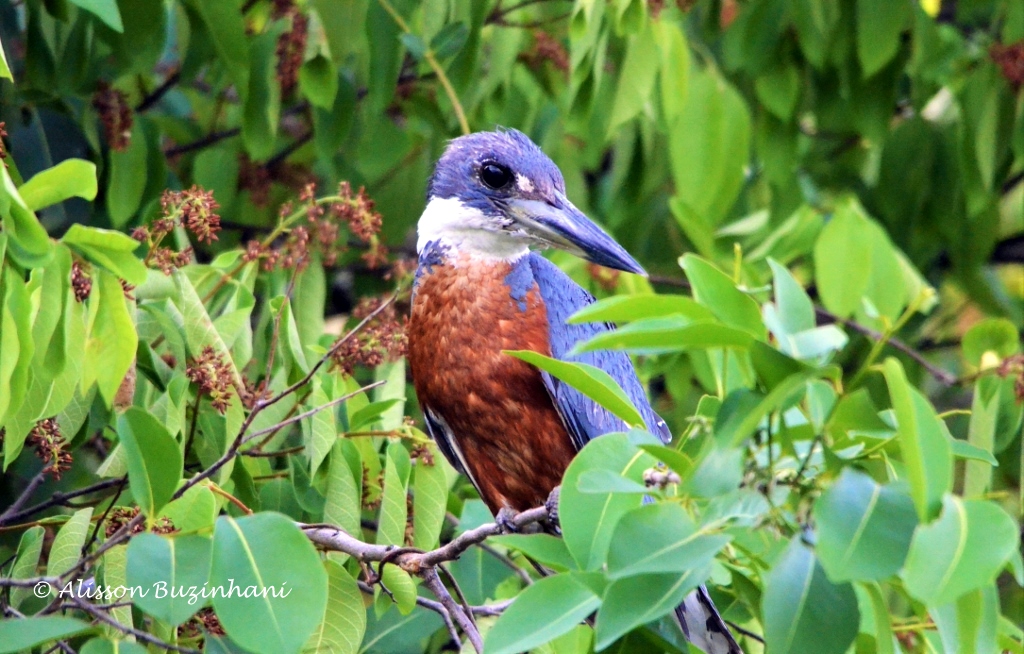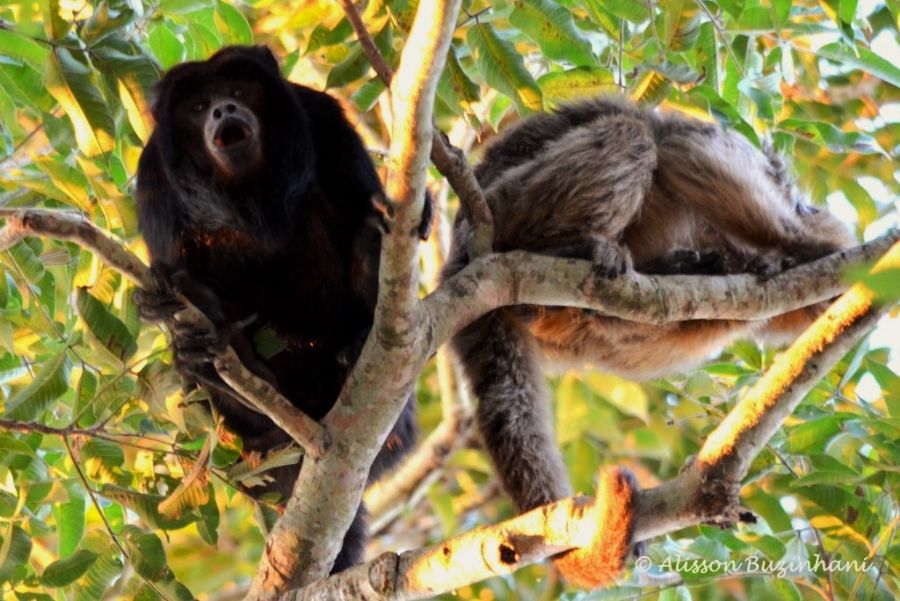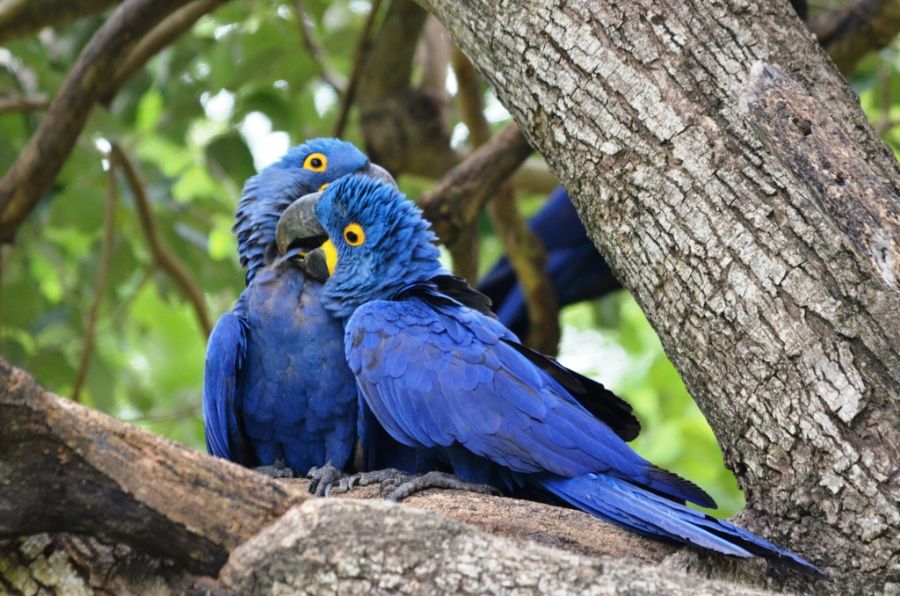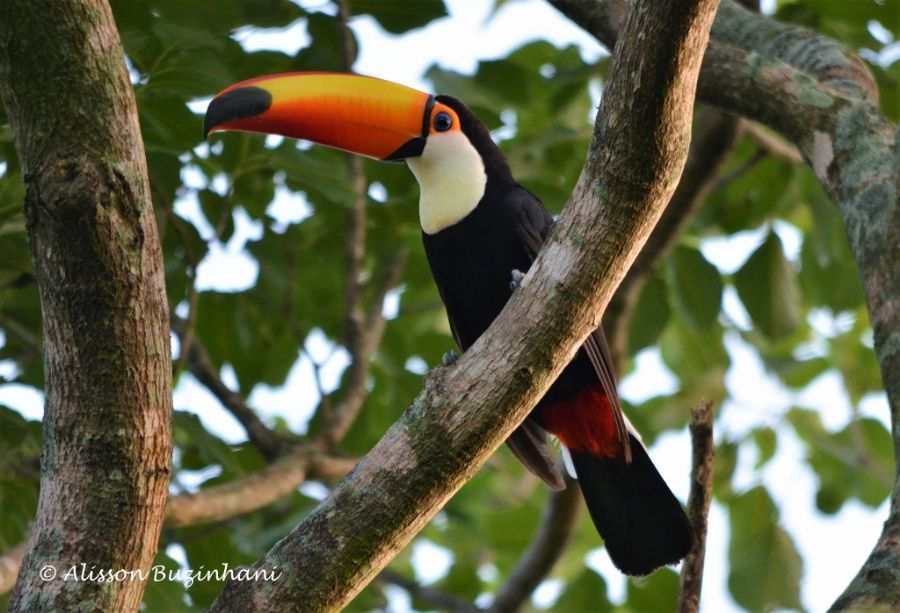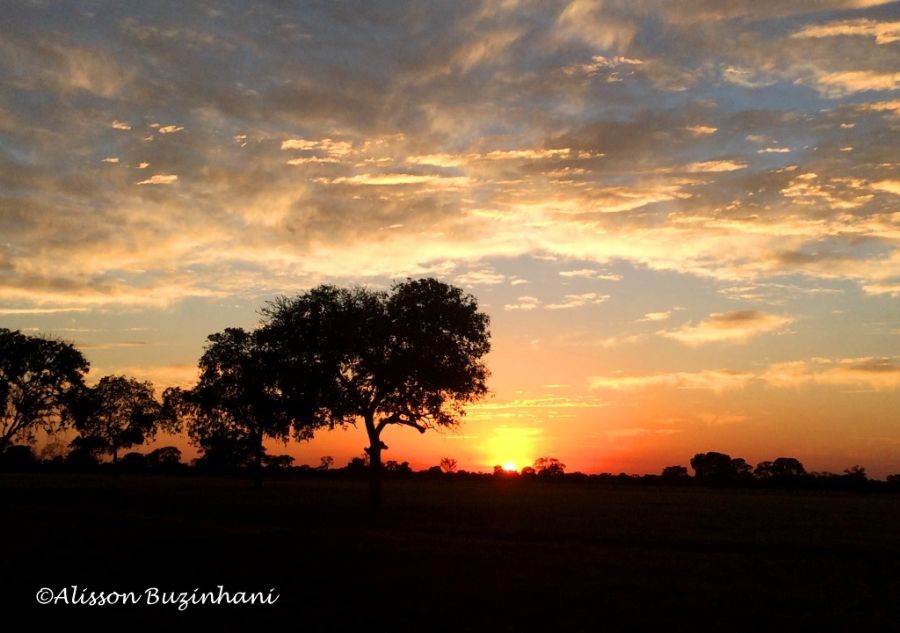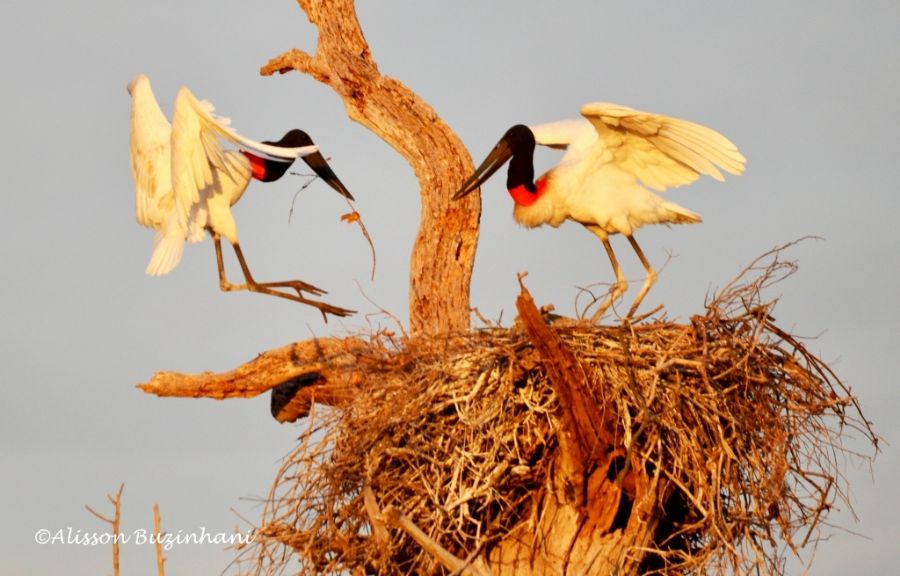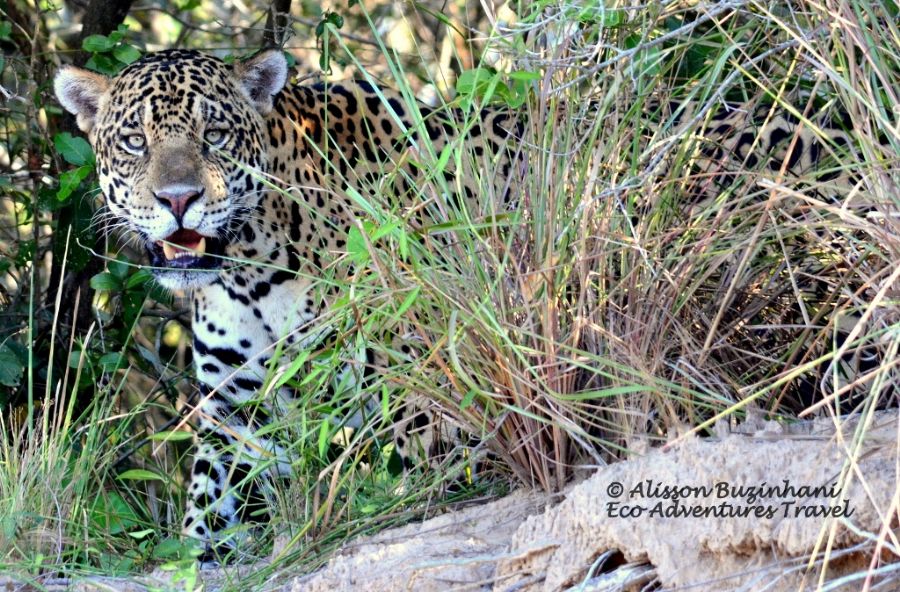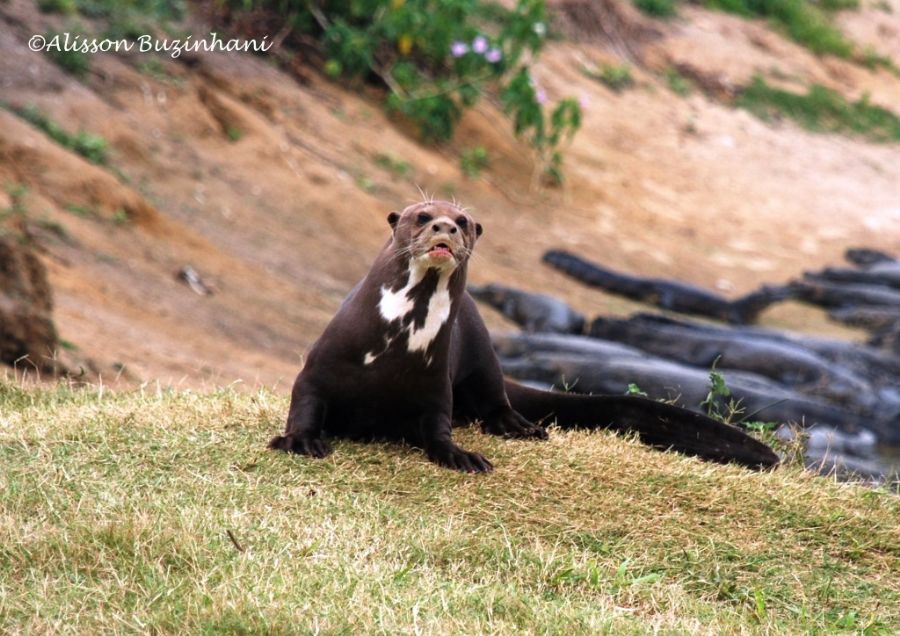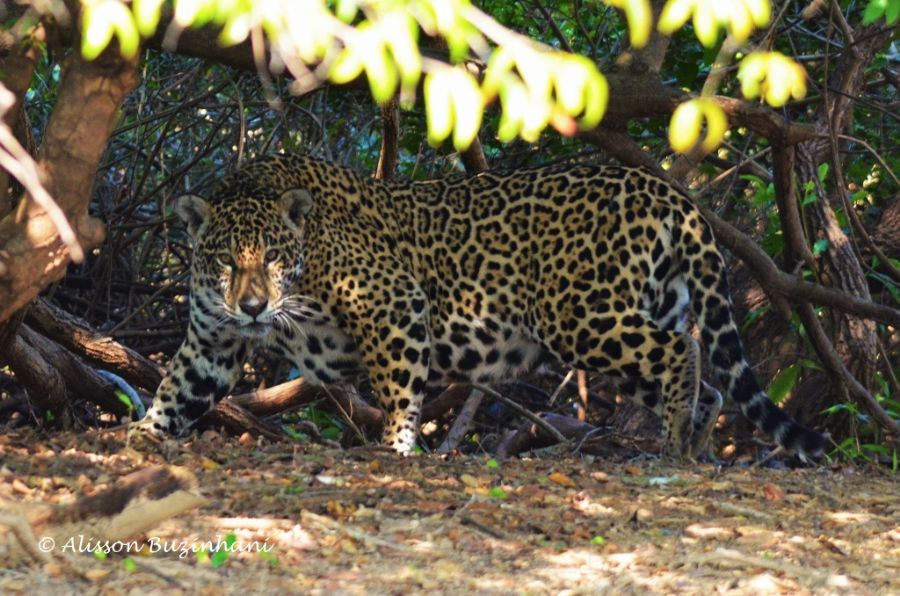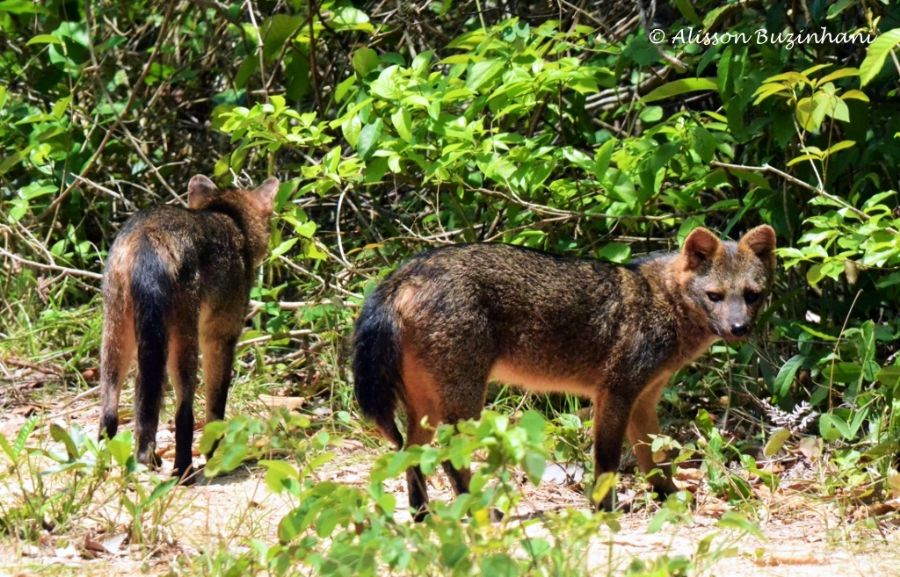
The Northern Pantanal is one of the world’s premier destinations for wildlife enthusiasts and photographers. Located in Mato Grosso, Brazil, this region is home to an incredible diversity of species — including jaguars, giant otters, capybaras, anacondas, and over 650 bird species.
While the Amazon often steals the spotlight, the Pantanal wetlands offer far better opportunities for wildlife observation, with the highest concentration of fauna in the Americas. In the Amazon, animals are hidden within dense forest, but in the Pantanal’s open landscapes, wildlife is visible even to casual observers. Scientists have identified around 242 species of fish, 650 species of birds, 110 species of mammals, and 50 species of reptiles in the Pantanal.
Recognized by UNESCO in 2000 as a Biosphere Reserve, the Pantanal is one of the richest and most diverse natural ecosystems on Earth.
Covering approximately 210,000 square kilometers, the Pantanal is among the largest continuous wetlands on the planet. It lies in the Upper Paraguay River Basin, spanning parts of Brazil, Paraguay, and Bolivia. In Brazil, it covers 138,183 square kilometers — about 65% in the state of Southern Mato Grosso and 35% in Northern Mato Grosso.
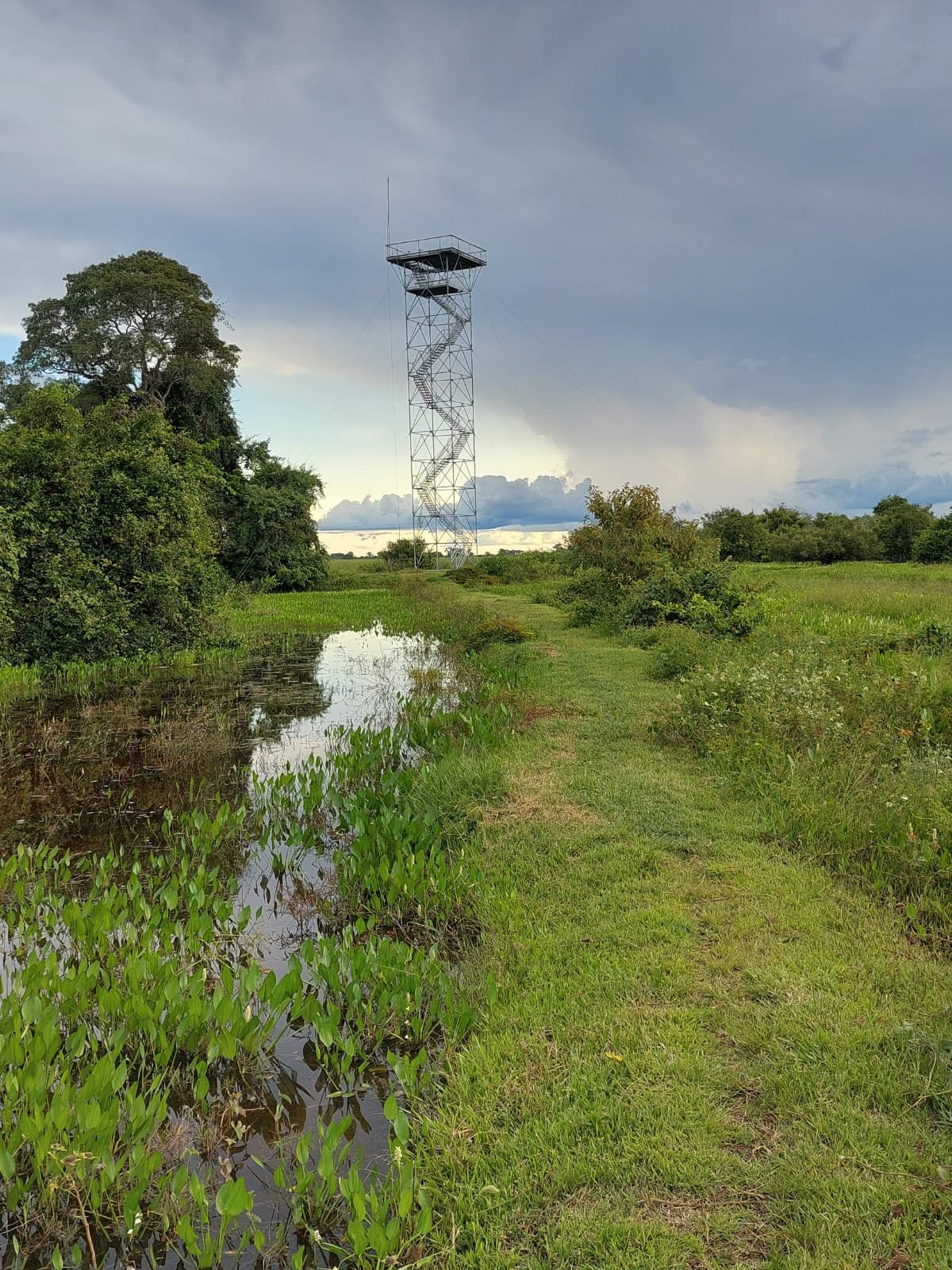
The Pantanal is a unique mosaic of landscapes across its vast floodplain. It combines elements of the Amazon rainforest, Cerrado savanna, Chaco, and even Caatinga biomes. Vegetation varies greatly depending on soil type and seasonal floods or droughts, creating a constantly changing panorama.
Broadly, four main environments can be identified:
Grasslands
Gallery forests
Monodominant formations, such as the carandazal (dominated by carandá palms, related to the carnaúba from northeastern Brazil) and paratudal (dominated by yellow ipê trees, known locally as paratudos)
Higher, densely wooded areas known as capões and cordilheiras
Each year, the Pantanal flood cycle repeats itself. Rains typically begin in November and intensify between December and February. Water levels reach their peak between May and July, turning the vast plains into a freshwater sea. The timing and magnitude of floods vary each year. The dry season usually runs from August to November. In recent decades, shifts in rainfall patterns have changed the timing of floods — some areas may be dry in February when they used to be underwater.
The Pantanal wetland is made up of several sub-regions and river basins, locally known as Cáceres, Poconé, Barão de Melgaço, Paraguay, Paiaguás, Nhecolândia, Abobral, Aquidauana, Miranda, Nabileque, and Porto Murtinho. The sub-regions of Cáceres, Poconé, and Barão de Melgaço form the Northern Pantanal.
The region has a tropical climate that is hot and humid, with an annual average temperature of around 25°C (77°F). Summers are hot and wet, with highs reaching 41°C (106°F), while winters are dry and cooler, occasionally dropping to 0°C (32°F).
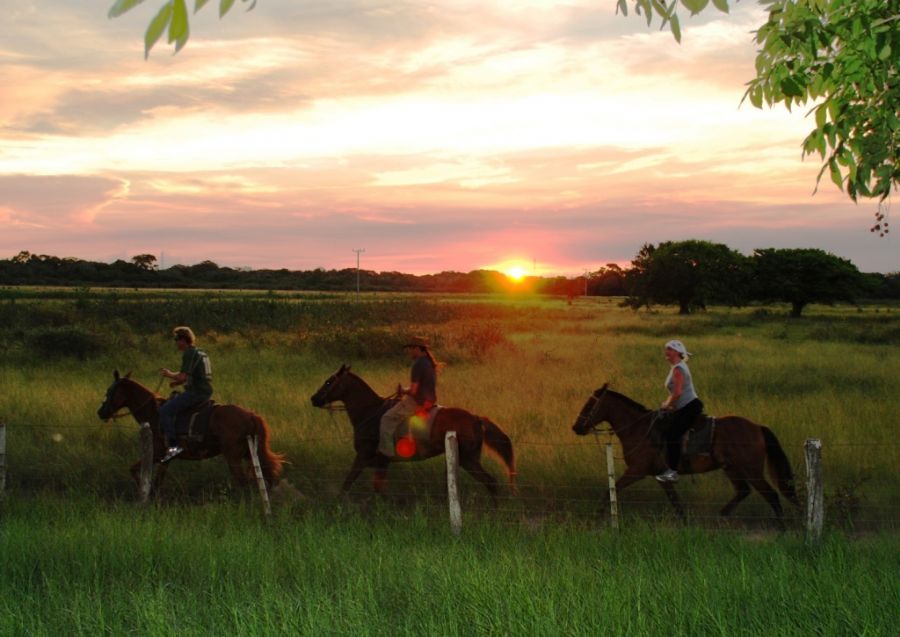
Due to the environmental instability caused by floods and droughts, large-scale agriculture is nearly impossible. As a result, extensive cattle ranching has become the main economic activity for more than 200 years, with herds grazing on native pastures. Horses have also adapted to local conditions — the Pantaneiro Horses are strong, resilient, and move easily through flooded terrain.
Tourism in the Pantanal began with sport fishing and has since evolved into ecotourism, providing a sustainable livelihood for local communities and ranchers who now host travelers on their properties.
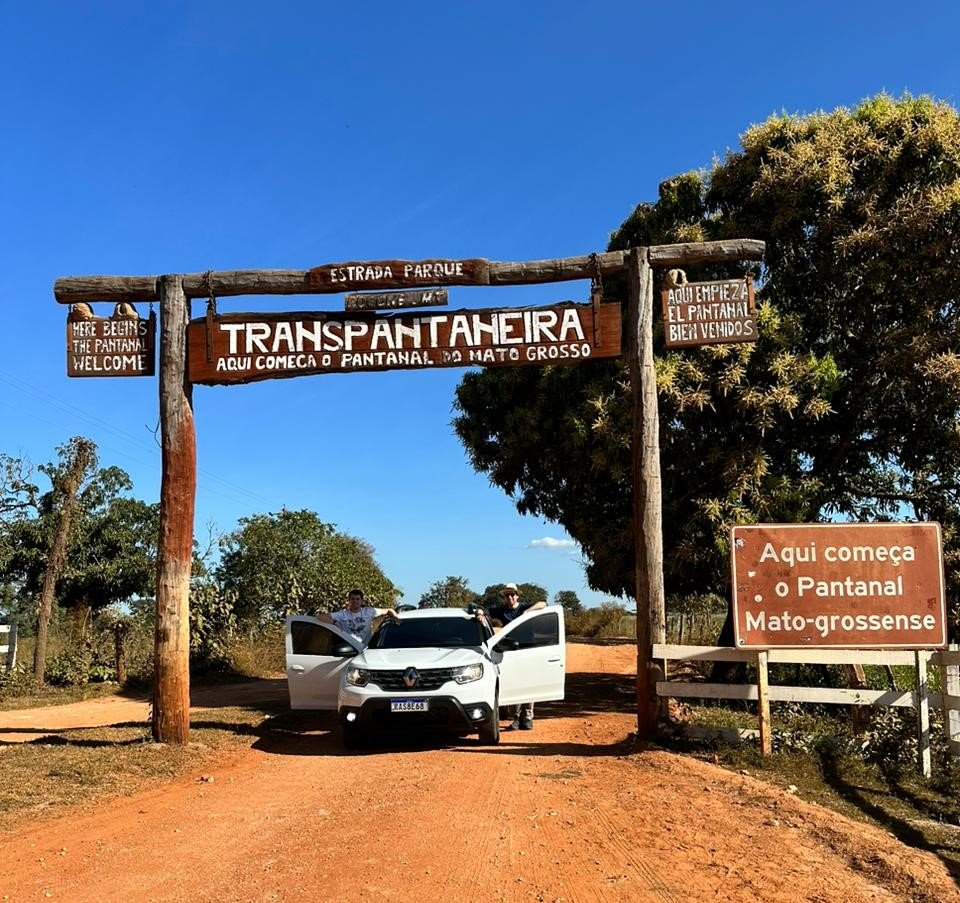
The Northern Pantanal covers roughly one-third of the Brazilian Pantanal. It is particularly rich in wildlife, with some areas believed to have the world’s highest concentration of jaguars. A drive along the Transpantaneira Road is considered one of the best wildlife experiences in South America. Beyond nature, the region also boasts a vibrant culture, with colorful festivals in Cuiabá, Poconé, and Vila Bela da Santíssima Trindade.
While the Northern region is the undisputed capital for jaguars, many travelers choose to complement their journey with our Southern Pantanal Expeditions, where the landscape shifts into a unique mosaic of lagoons and traditional ranches.
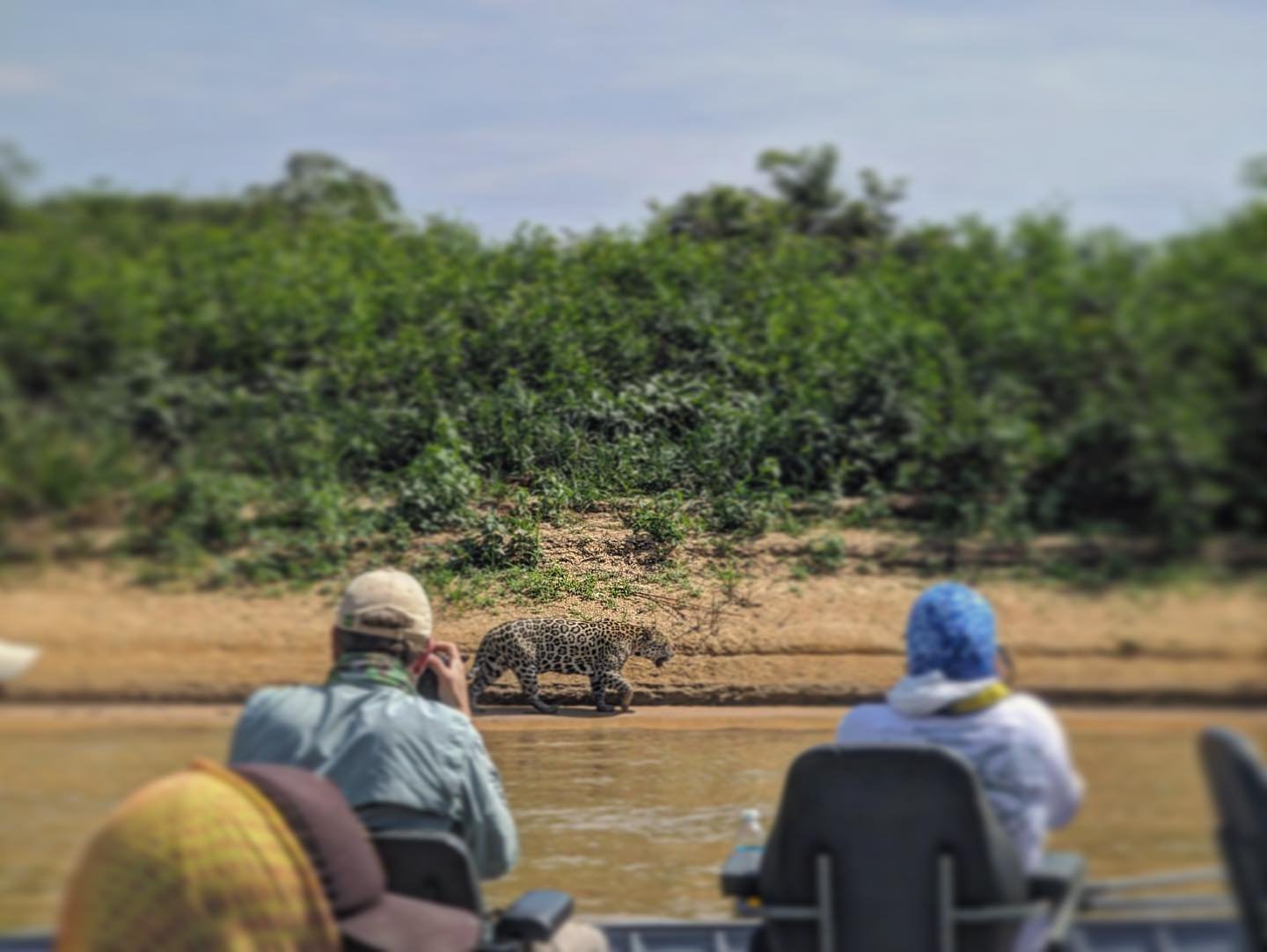
There is no place on Earth like the Northern Pantanal. While the Amazon is vast and mysterious, the Northern Pantanal—specifically the region around Porto Jofre—is where the wild becomes visible. This is the undisputed Jaguar Capital of the World, offering the highest probability of encountering the Americas’ apex predator in its natural habitat.
At Eco Adventures Travel, we don’t just offer tours; we curate life-changing expeditions. With over 20 years of expertise, we provide unrivaled access to the most iconic wildlife spectacles on the planet.
The heart of the Northern Pantanal is accessed via the legendary Transpantaneira Highway—a 147km scenic route crossing 122 wooden bridges, teeming with caimans, capybaras, and hundreds of bird species.
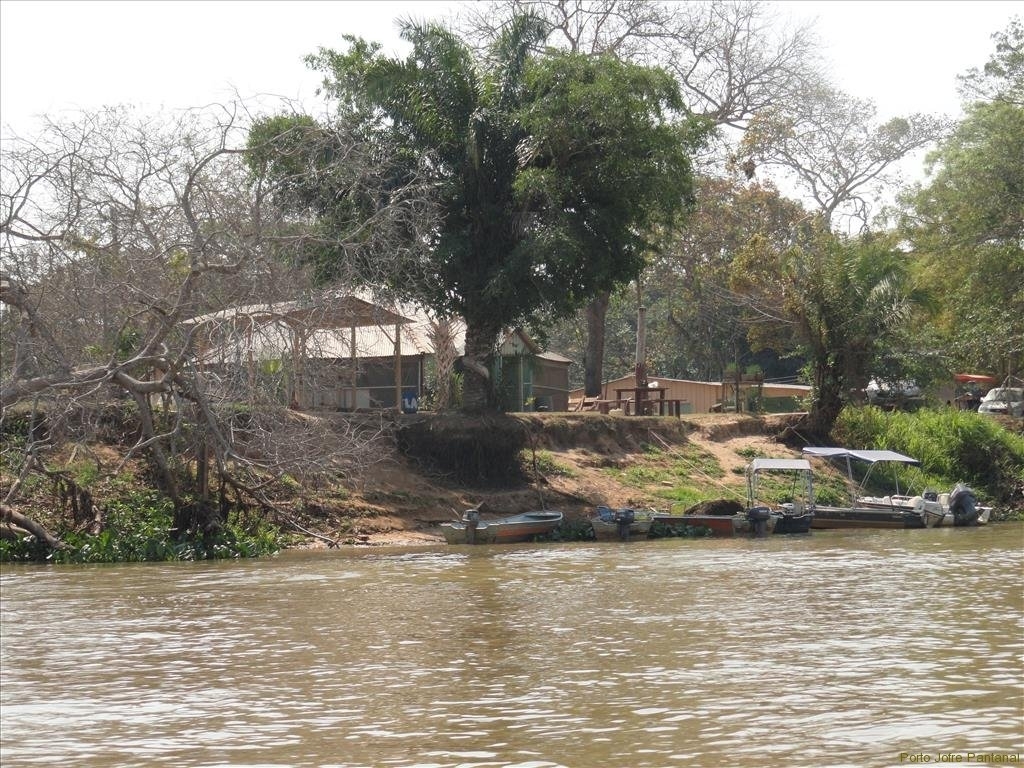
Our expeditions culminate in Porto Jofre, where the labyrinth of the Cuiabá, Piquiri, and Three Brothers rivers creates the perfect stage for jaguar sightings. Unlike other regions, here the jaguars have become accustomed to boats, allowing for intimate, long-lasting, and ethical encounters as they hunt, mate, and raise their cubs along the riverbanks.
📸 Photography enthusiasts will find perfect light and open landscapes for breathtaking shots.
While the “King of the Wetlands” is the star, the Northern Pantanal offers a supporting cast like no other:
Don’t just visit the Pantanal, experience it through the eyes of those who call it home. We offer tailor-made tours for every type of traveler.
Pantanal Jaguar Safari (4–6 days) – focused on big cat observation
Birdwatching Expedition (5 days) – guided by expert ornithologists
Eco-Lodge Experience (3 days) – ideal for families and nature lovers
💡 All tours include naturalist bilingual guides, ground transportation, and accommodation at sustainable eco-lodges.
Jaguar safaris with 98% Success Rate for Jaguar Sightings (July-Oct)
👉 View All Northern Pantanal Tours
👉 Contact Us for a Custom Safari Trip
The gateway to the Northern Pantanal is Cuiabá, the capital of Mato Grosso State. From Cuiabá, it’s about 130 km (80 miles) to Poconé, where the Transpantaneira Road begins.
The easiest access is via Cuiabá International Airport (CGB). From there, travelers embark on a scenic drive along the Transpantaneira — an adventure in itself, often filled with wildlife sightings.
Depending on the region of the Pantanal you plan to visit, access may be by car, private transfer, 4×4 vehicle, or even small aircraft.
Fly to Cuiabá, we handle the rest! Our company can arrange any type of transportation to ensure a smooth journey.
The best time to visit the Pantanal is from June to October, during the dry season — but this can vary depending on rainfall. In some years, January can be surprisingly dry if rains were scarce in November and December.
Before booking your trip, contact us for up-to-date environmental conditions.
Peak season (July-October) fills up 12 months in advance. Secure your private boat today.”
To complete your Brazilian wilderness experience, we highly recommend that you combine your jaguar safari with a trip to Bonito, the world’s premier destination for crystal-clear river snorkeling and cave exploration.
Still have questions? Chat with our specialist Alisson via Whatsapp
Eco Adventures Travel promotes Responsible Tourism by partnering with local guides and conservation initiatives.
We believe that ecotourism is key to protecting the Pantanal’s unique biodiversity while supporting local livelihoods.
Our Tour Operator specializes in Pantanal adventure tours and has over 20 years of experience in the region. Every detail of our safaris is overseen by our director, Alisson Buzinhani, whose deep-rooted expertise in the Pantanal ensures that our guests access the most remote and wildlife-rich areas safely and ethically.”
✅ Are you ready for the ultimate wildlife encounter? Inquire Now to start planning your bespoke Jaguar Safari with the specialists who know the Pantanal best. Contact our travel experts today and design your custom wildlife safari.


Share